

2025.9.10
Announcement of TERRADA ART AWARD 2025 Finalists: Daisuke Kuroda, Yuki Kobayashi, Sakura Koretsune, Yuske Taninaka, and Claire Fujita
Their artworks to be exhibited at the Finalist Exhibition in January 2026
Warehouse TERRADA is pleased to announce that five finalists of TERRADA ART AWARD 2025 were selected. Overall Assessment from a jury panel of 11 for the participating artists is also available.

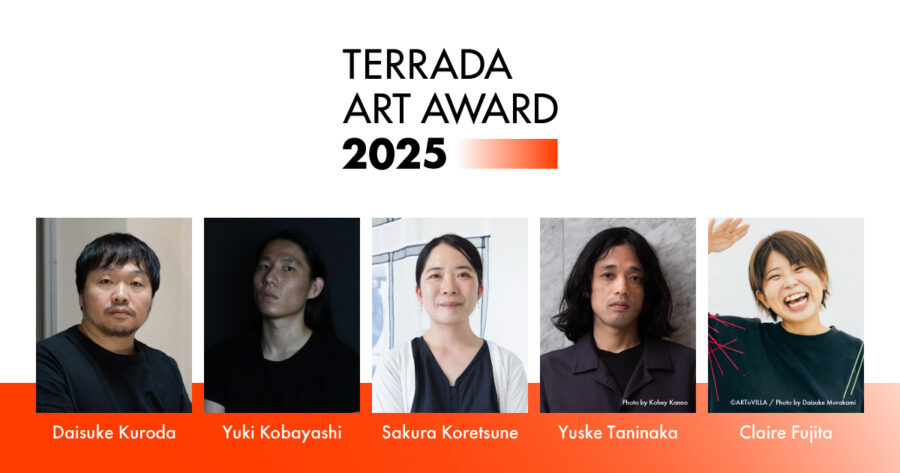
TERRADA ART AWARD 2025 is a contemporary art award designed to discover emerging artists. To discover artists who can play an active role on the world stage, the AWARD jury panel, with an international perspective and a deep understanding of contemporary art, has selected five finalists from numerous entries from within Japan and overseas. The finalists’ works will be presented as TERRADA ART AWARD 2025 Finalist Exhibition at Warehouse TERRADA’s event space from January 16th (Fri) until February 1st (Sun), 2026. Each jury’s award for five finalists will be awarded to the finalists by Takahiro Kaneshima, Yukie Kamiya, Yuki Terase, Daito Manabe, and Meruro Washida at the award ceremony on the day before the Finalist Exhibition opens.
We want to foster a society in which artists can thrive. Through TERRADA ART AWARD, we fully support the careers of our finalists—artists with the potential to drive the arts forward into the future—as they venture out into the world, break conventions, and discover their raison d’être.
[About Five Finalists]
(in Japanese alphabetical order)
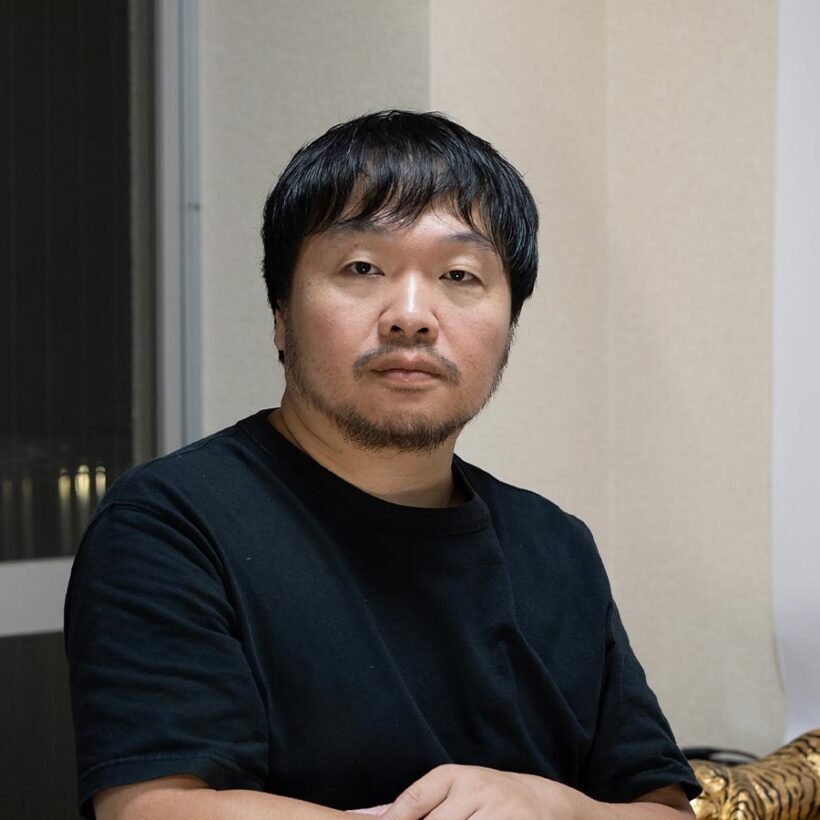
Daisuke Kuroda
Born in 1982 in Kyoto. He completed the doctoral program (Sculpture) at Hiroshima City University Graduate School. 2019-2020 Agency for Cultural Affairs Overseas Study Program for Upcoming Artists. Focusing on forgotten, ghostly existences in society, he has recently been creating video works based on research on sculpture, using modern sculptors and their creative processes as motifs. Major exhibitions include “Between Memories and Objects” (Hiroshima City Museum of Contemporary Art, 2025), “Practice for the Tent” (Enokojima Art, Culture and Creative Center, Osaka Prefecture [enoco], 2025), “The 7th Changwon Sculpture Biennale 2024—silent apple” (Changwon, Korea, 2024), among others.
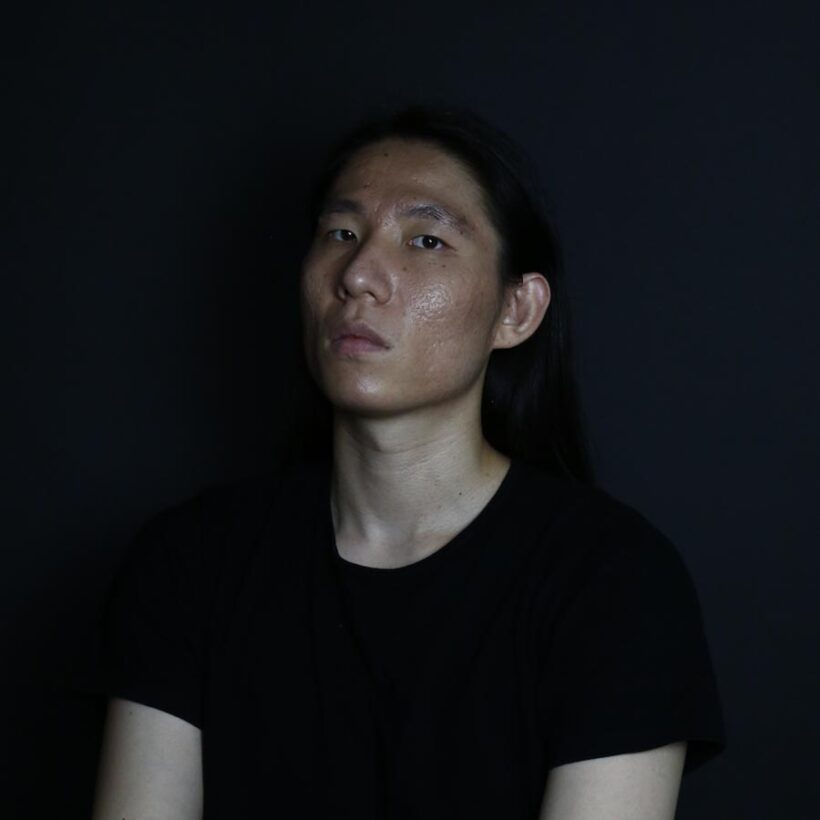
Yuki Kobayashi
Born in 1990 in Tokyo. He received his MA from the Royal College of Art in 2016. In 2019, he founded the performance platform “Stilllive.” In 2023, he received the Asian Cultural Council (ACC) Individual Fellowship Visual Arts Grants Award. Recent activities include “CHAT 5th Anniversary – Factory of Tomorrow” (Centre for Heritage, Arts and Textile, 2024), “The Watermill Center 2024 Artist-In-Residence” (New York), and the Arts Commission Yokohama (ACY) Artist Fellow in 2025.
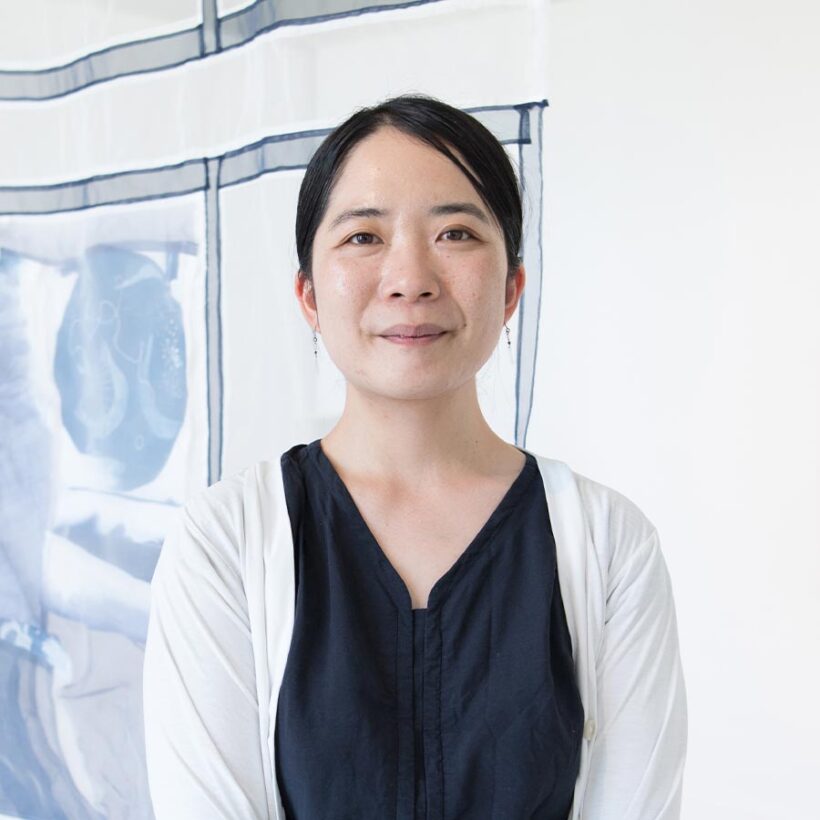
Sakura Koretsune
Born in 1986 in Hiroshima. She obtained a BFA from the University of Alaska Fairbanks in 2010. In 2017, she received her Master’s degree from Tohoku University of Art and Design in Yamagata. From 2022 to 2023, she stayed in Norway as a trainee under the Program of Overseas Study for Upcoming Artists organized by Japan’s Agency for Cultural Affairs. Whale-human relationships and the folklore of oceans inspire Koretsune’s works. Recent exhibitions include “VOCA 2022: The Visions of Contemporary Art” (Ueno Royal Museum), “currents / undercurrents: Bringing together the endless flow” (Aomori Contemporary Art Centre, 2024), and “Aichi Triennale 2025.”
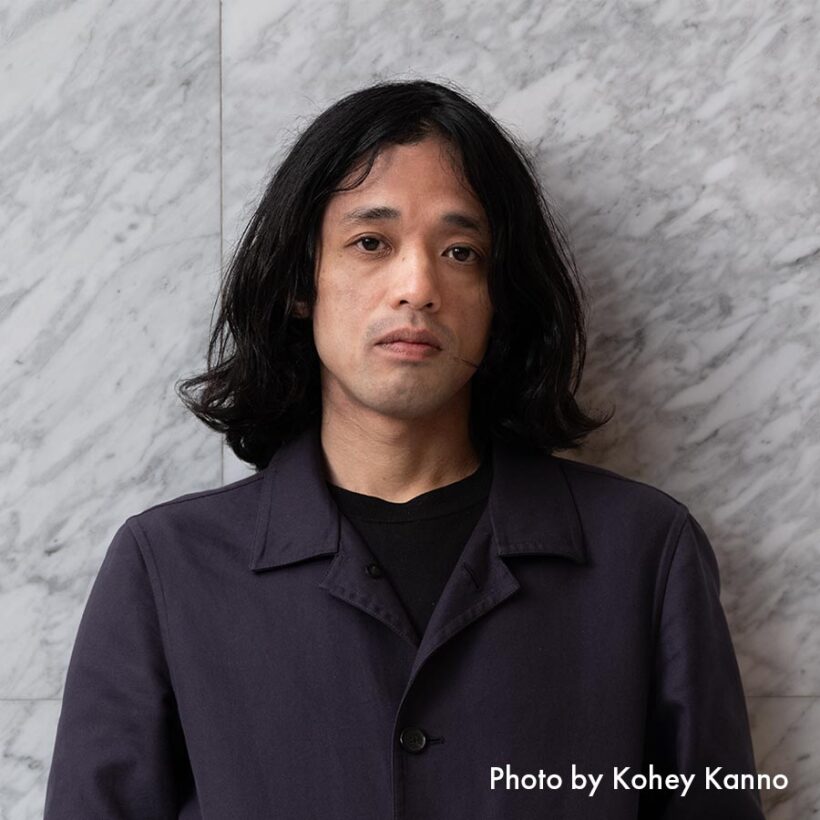
Yuske Taninaka
Born in 1988 in Osaka. He received his BA in Sculpture from Kyoto City University of Arts in 2012 and his MA in Solo/Dance/Authorship from HZT Berlin in 2021. He is an artist working across exhibitions and stage performances, exploring the vulnerability of bodies. His recent solo exhibitions include “Choose Grief” (Towada Art Center, 2024) and “Osaka Directory 8” (Osaka Nakanoshima Museum of Art, 2024). He has also presented major stage works such as “Air Crip” (Kyoto Art Center, 2023) and “Gallop” (CoFestival Ljubljana, 2022).
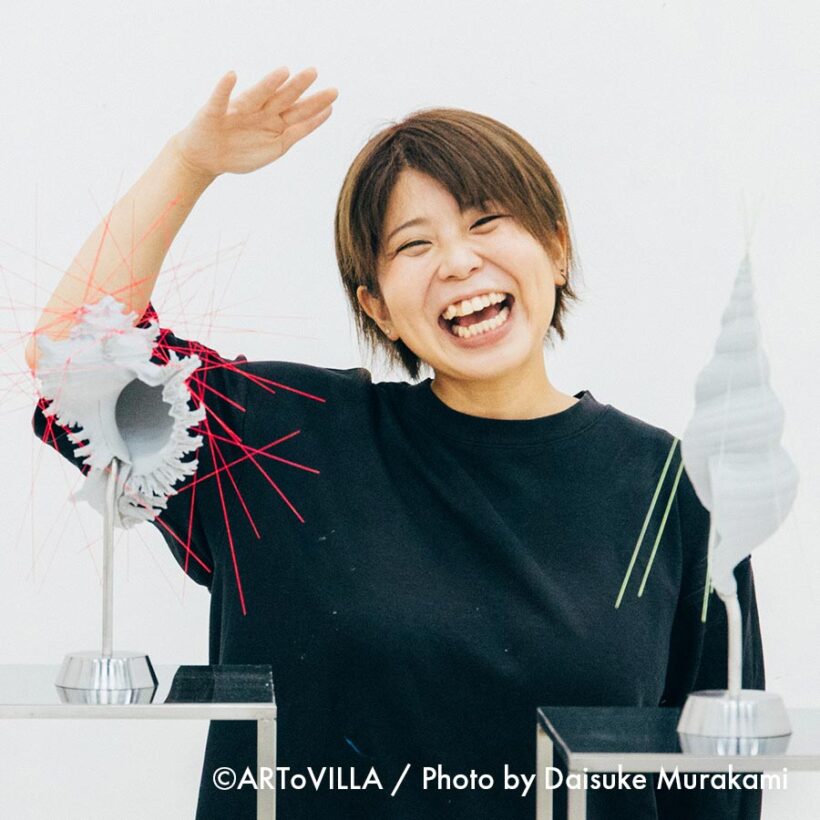
Claire Fujita
Born in Beijing, China in 1991. She completed her MFA in Intermedia Art at Tokyo University of the Arts. Her practice combines kinetic structures with natural materials, exploring the tensions and conflicts that arise within social systems and personal relationships. Solo exhibitions include “Opaque Interrelations” (Shiseido Gallery, 2020). Selected group exhibitions include “SOUND & ART” (Arts Chiyoda 3331, 2021) and “Touch the Bottoms Contemporary Art in Seto” (Aichi, 2024).
[Final Jury's Overall Assessment]
(in Japanese alphabetical order)
Takahiro Kaneshima (Associate professor of SCAPe, Kanazawa College of Art)
This time’s screening revealed that while TERRADA ART AWARD has become well established within Japan’s contemporary art scene, leading to an increase in submissions worthy of the award, there was also a noticeable decrease in the number of challenging works that exceeded its boundaries. However, it is also true that we saw an increase in submissions from Japanese artists active outside of Japan, giving us a strong sense that this award functions as a point of connection with the international community. We sincerely hope it will continue to develop as a gateway for Japan to connect to the world. While many works that could have made it to the final selection existed, those that clarified their creative statement or focused their content of the final exhibition more sharply, the five finalists stood out. They impressed me by presenting works conceived from their own unique perspectives, grounded in today’s social context and the art culture, yet approached more practically. I look forward to seeing those works completed. I am always grateful to participate as a jury member in this award, which allows me to encounter the enthusiasm of many young artists striving to create through trial and error in this era.
Yukie Kamiya (Head Curatorial Division, Chief Curator, The National Art Center, Tokyo)
We can freely travel between countries and regions, can get to know many people and encounter diverse cultures. But dark clouds have begun to gather over the world we took for granted. From the numerous proposals submitted to TERRADA ART AWARD, it became clear that many emerging artists preparing for opportunities to shine and take risks to achieve still greater things are sensing the atmosphere of an era where division is beginning, and each responding and resisting in their own way. Furthermore, artists in the final list demonstrated not just a single flash of inspiration, but a thoughtful approach and the creative ability to develop their concepts one step further. What we need to be mindful of is the possibility that, in their eagerness to address urgent social issues, their expressions might fall into superficial repetition of buzzwords. How can art foster imagination in the era of crisis? I look forward to seeing proposals by final list artists to be realized.
Yuki Terase (Art Intelligence Global Founder)
On the occasion of the third time TERRADA ART AWARD has resumed its regular holdings, artists submitted a selection of extremely high-quality artworks. In comparison to previous years, a greater number of works were particularly attuned to contemporary issues and resonated with a potent urgency of mission. These artworks, mostly informed by artists’ personal histories and experiences, communicated messages that resonated with audiences and provoked profound reflections on the world both past and present. The scope of their conceptual inquiries and high-caliber craftsmanship would undoubtedly garner international resonance. It is truly a pleasure to see this award establish itself as a nationally recognized, open-call exhibition that shines the spotlight on talented emerging artists. Going forward, it would be even better to see a greater number of younger artists submitting work, as has been the case in previous years. While it may be the case that more experienced artists articulate their messages with greater fluency and thus achieve spaces in the award’s final stages, I would like to see more of the raw, uninhibited energy and strength of purpose that has defined the work of younger artists for centuries. I sincerely hope they will continue to challenge themselves and their work without hesitation.
Daito Manabe (Artist, programmer, and composer)
Overall, many submissions to TERRADA ART AWARD 2025 reexamine the human-centered worldview through motifs such as bodily reactions and relationships with animals or the environment, highlighting gaps in history and memory. Expressions that emphasize audience participation and community collaboration stood out, layering installations, performances, video, and text. Technology serves as a tool, with the focus placed on the unpredictable physicality of humans and the potential for coexistence. Furthermore, many works coexist with festive enjoyment and criticality, as well as fieldwork based locality and universal themes. This time’s characteristic features include a critical perspective on history and society, alongside practices that seek to generate communities and spaces for conversation.
Meruro Washida (Director, 21st Century Museum of Contemporary Art, Kanazawa, Associate professor of Tokyo University of the Arts)
We were able to select five finalists who show great promise for further enriching artistic development, while each possessing a solid record already. Sakura Koretsune, who takes an ethnographic approach; Daisuke Kuroda, who confronts the political nature of sculpture history; Yuki Kobayashi, who reinterprets martial arts from a queer perspective; and Claire Fujita and Yuske Taninaka, who sculpturally engage with new technologies—a balanced selection of artists addressing crucial topics in the field of art—remained. However, regarding the theme “immigration,” which saw outstanding works exhibited in 2021 and 2023 awards, although there were excellent works in the final selection, none made it to the final exhibition this time. Kuroda, who has often focused on figurative sculptures like bronze statues, will now explore abstract sculpture this time; or Taninaka, who has created performance pieces centered on the theme of breathing, will tackle a three-dimensional work using breath powered instruments as its motif. We look forward to their new creations, building on their past experiences.
[Primary Selection Jury's Overall Assessment]
(in Japanese alphabetical order)
Ryo Ikeshiro (Artist, musician, researcher, Associate Professor, School of Creative Media, City University of Hong Kong)
It was a pleasure to peruse such a variety of portfolios, crafted with so much thought and consideration which I truly appreciate. I feel that the distinct personalities of the judges have resulted in a selection of artists reflecting a rich and diverse variety of styles and approaches. As it was my second time to serve on the jury, I was happy to see applications by several previous applicants and to observe various changes since the previous occasion. I was reminded of how development as an artist can take many forms. In one sense, it is a perpetual evaluation of oneself and an important part of artistic practice itself.
Shinji Ohmaki (Artist)
Continuing from last time, this marks my second time participating as a jury member. Compared to the previous edition, I was struck by how many more applicants had gained significant production experience, resulting in content that overall reflected a certain level of maturity. This can be seen as a sign that this award is increasingly recognized as a practical platform for expression. What caught my attention during the review process this time was the artists’ statements. I felt there were quite a few statements that likely utilized AI-generated text. While using AI isn’t necessarily a bad thing, it tends to obscure the authentic voice of the artists. Amidst this, I found myself strongly drawn to works and words that remained honestly engaged with the artists’ own experiences and physical creative process. In particular, performance art utilizing the body and spatial installation felt very interesting to me—they contained contemporary questions while possessing a compelling expressive power through the body itself as a medium. Since the pandemic, we seem to have gained time to reconsider the very existence of the “body.” The artists we selected also possess a sensory and critical approach to how they perceive the body, its form, and its very existence, and we found their creative process fascinating. We greatly anticipate that these artists will continue to develop further, as a result of receiving this award.
Eriko Kimura (Director at Hirosaki Museum of Contemporary Art)
It was impressive that this edition’s submissions featured more artists with extensive careers compared to the last edition, as well as a significant number of overseas artists based in Japan. With each passing year, I get a strong sense that this award has established itself as an opportunity for mid-career artists who are actively engaged. While the demands for competitiveness continue to intensify, the artists selected as finalists are expected not only to possess the ability to realize exhibitions within the uniquely expansive space of a warehouse, but also to demonstrate the collaborative spirit required to create a group exhibition together—welcoming audiences into a shared environment. As a platform to test the diverse capabilities demanded of creators, we anticipate what the finalists’ exhibition will bring.
Ryutaro Takahashi (Psychiatrist, Art Collector)
This time’s screening process went relatively smoothly compared to the last time. Most of the artists are now familiar faces—not sure whether that’s a good thing or a bad thing. This could be seen as proof that the quality of Japanese contemporary art has reached a consistently high standard, however, I also felt a sense of unease, as if my own choices were becoming AI-generated. Personally, I was hoping to see works that would blow my mind, like the hallucinations produced by generative AI, but I don’t think I saw anything quite like that. I would like to believe that art is always a hallucination.
Yuu Takehisa (Curator, Artistic Director of Contemporary Art Center, Art Tower Mito)
Compared to the previous time, applicants this time tended to have higher levels of practical experiences, and reviewing their portfolios revealed interesting activities that caught our attention. Regardless of whether they had prior exhibition history in the museums or art festivals, artists who are establishing their own styles stood out among the applicants. We could see that each artist is working persistently towards their own aspirations. In addition to the selected artists, there were also applicants whose future activities are promising. Overall, applicants from current students and alumni of Tokyo-based art universities stood out, which seems to reflect the tendencies of certain universities. I am personally interested in how the overall trend might change when applicants from the Kansai area art universities increase.
Reiko Tsubaki (Curator, the Mori Art Museum)
This time, we saw an increase in works utilizing digital technology, robotics, and AI. However, it wasn’t merely about using the latest technology alone. What I found fascinating was the diversity and potential in how these technologies were utilized—combining them with analog techniques, exploring “physicality” and “materiality” through digital means, or expressing nostalgia. Furthermore, some works incorporated queer, feminist, or immigrant perspectives, which I felt were crucial for reinterpreting history. Uncertainty and a sense of crisis have always existed throughout history, but modern society faces numerous uncertain factors: climate change, war, inequality, the advancement of AI, and shifts in values following the pandemic. In such circumstances, I believe art functions not by presenting “a single answer of truth,” but rather by expressing “the diverse possibilities of existence” while serving a space that encourages “thoughts on how these can coexist.”
Jury’s profile: https://www.terradaartaward.com/en/member
[TERRADA ART AWARD 2025 Overview]
Name: TERRADA ART AWARD 2025
Qualifying Activity: Contemporary Art (including all forms of media such as two-dimensional works like paintings; photography; three-dimensional works (objects); textiles; videos; digital media art; physical expression such as performances, etc.; and sound art or music, etc.)
Support Detail: An opportunity to display works at the Finalist Exhibition, and 3 million yen awarded as creation cost*
Supplementary Prize: Ruinart Blanc de Blancs, Research and report grant up to 300,000 yen for artist’s next creation following the AWARD, PIGMENT TOKYO products worth 100,000 yen, free use of Warehouse TERRADA’s art storage services for two years, and free use of Warehouse TERRADA’s digital storage service for three years
Official Website: https://www.terradaartaward.com/en
Held by: Warehouse TERRADA
Sponsor: Japan Airlines and Ruinart (MHD Moët Hennessy Diageo K.K.)
Support: Shinagawa City
Operation Support: Fujiwara Haneda LLC and Rocket Pencil K.K.
* Please refer to the Entry Guideline page on the Award’s official website for details regarding the support (prize) for the finalists.
[TERRADA ART AWARD 2025 Finalist Exhibition Overview]
Five finalists will utilize 300 million yen as the creation cost and create a new work, based on their exhibition plans reviewed by the jury at the final-round screening. The venue will be one of our event spaces which was renovated from a warehouse. (Free admission)
Dates: January 16th* (Fri) – February 1st (Sun), 2026
Addmission: Free
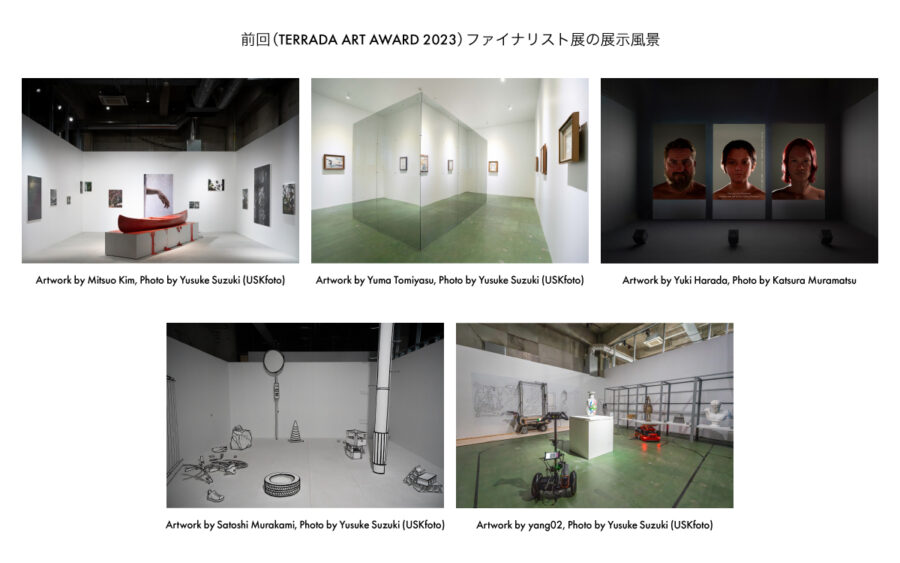
Details of the Previous Award (TERRADA ART AWARD 2023): https://www.terradaartaward.com/2023/en/finalist
- About Warehouse TERRADA
-
Company Name: Warehouse TERRADA
Representative: President & CEO, Kohei Terada
Address: 2-6-10 Higashi-Shinagawa, Shinagawa-ku, Tokyo 140-0002, Japan
Foundation: October 1950
URL: https://www.terrada.co.jp/en